
How it started
It began with a pattern Jenny could not stop seeing.
Central Creativity was founded in Laurel, Mississippi, in 2017 by Rhye and Jenny McLeod. Jenny began her career as a classroom teacher and went on to become a national educational consultant, training K-12 teachers and administrators in critical thinking and writing. While observing and coaching in schools across the country, she saw a troubling pattern. Too many students were being left behind, not because they weren’t capable, but because they lacked access to resources and flexibility in how they learned. At the same time, educators faced growing demands with very little support.
Rhye brought a different perspective. With a background in technology solutions, growth, and branding from the television and film industry, he knew how to take Jenny’s vision and scale it far beyond a single classroom.

What if we could make hands-on, engaging learning experiences accessible to every student, everywhere?


The road so far
From a kitchen table to a national footprint
2017
A question asked in Laurel, Mississippi
Rhye and Jenny McLeod start Central Creativity in their home state, built on one question: what if hands-on learning could reach every student, everywhere?
2018
The first kits ship
The STEM Education Series begins: one concept, one build, one class period, with every material in the box so a teacher is not sourcing parts the night before.
2019
NASA comes on board
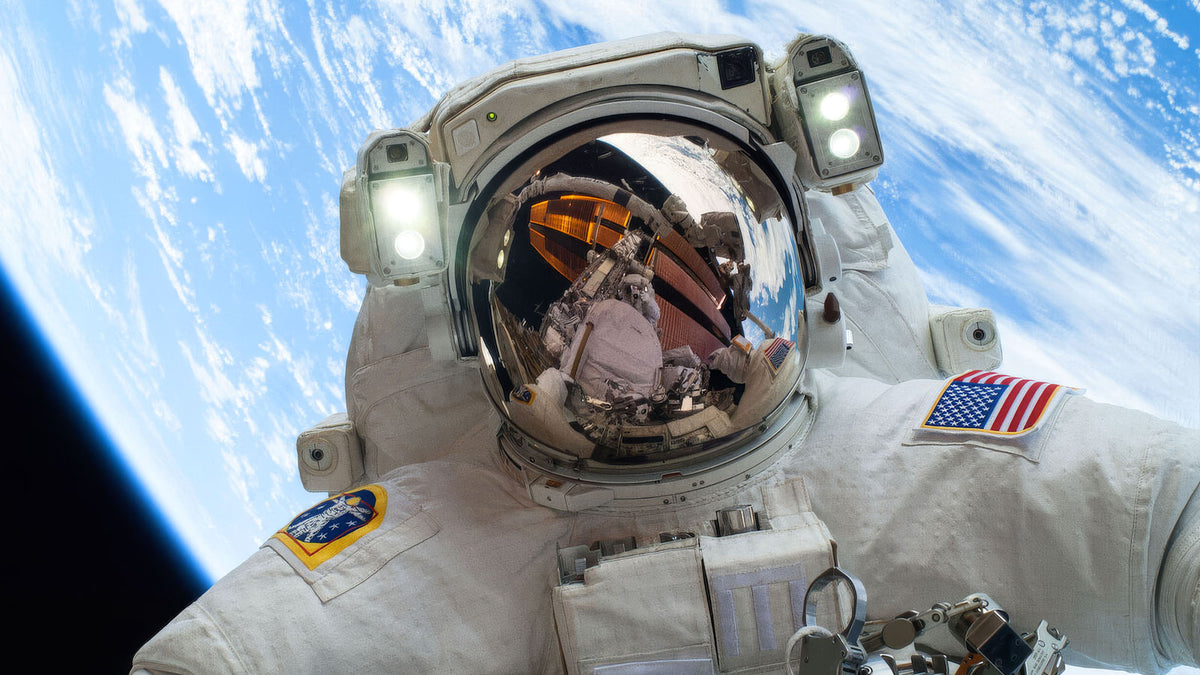
Central Creativity joins NASA's Astro Camp Community Partners Program, and the space engineering challenges are built with them rather than merely branded.
2020
Buildings close. The learning does not.
When schools shut their doors, hands-on learning had nowhere to happen. Kits were rebuilt to travel to a kitchen table instead of a lab bench, and camps were re-staged to run live online, so a week of science could still happen in a house with no equipment in it.

2021
A full year of science, in a box
Classroom TO GO arrives: six units and twenty-four investigations per grade, pre-measured and standards-aligned, for teachers who need the whole year rather than one lesson.
2022
College lab credit at the kitchen table
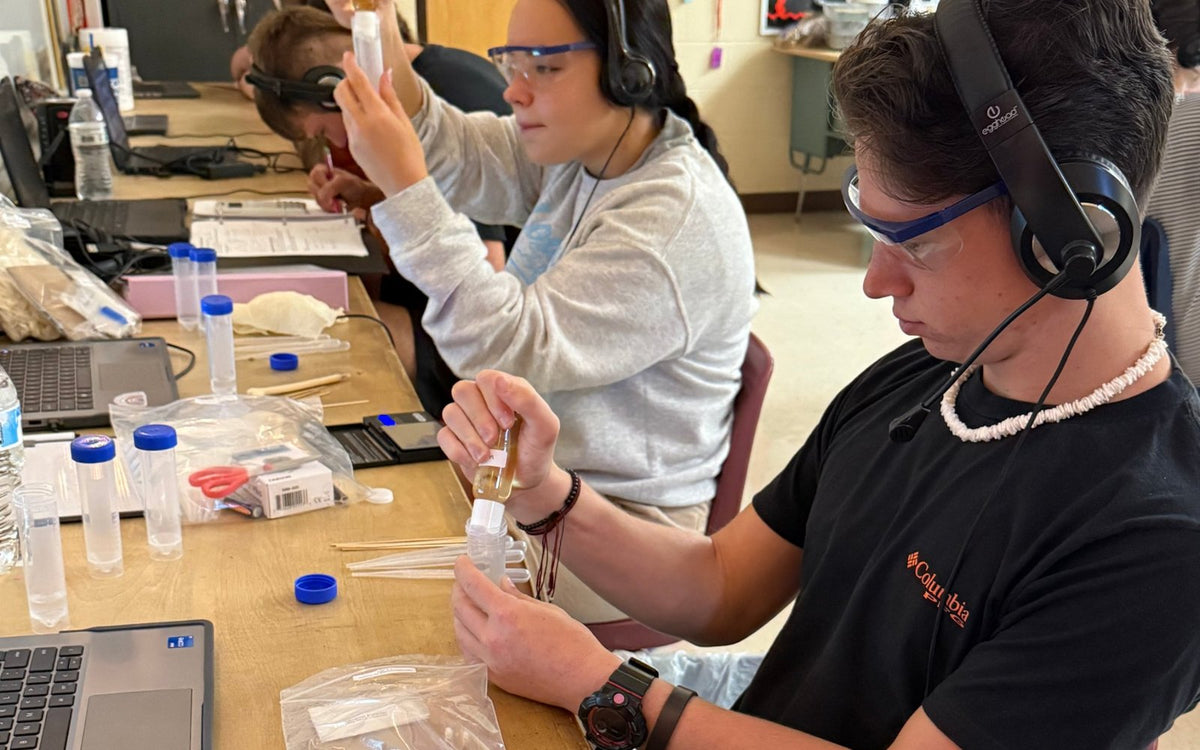
Lab TO GO puts accredited college science labs into the hands of dual-enrollment students, homeschool families and colleges short on lab space.
2024
Partners who build with us, not just buy from us
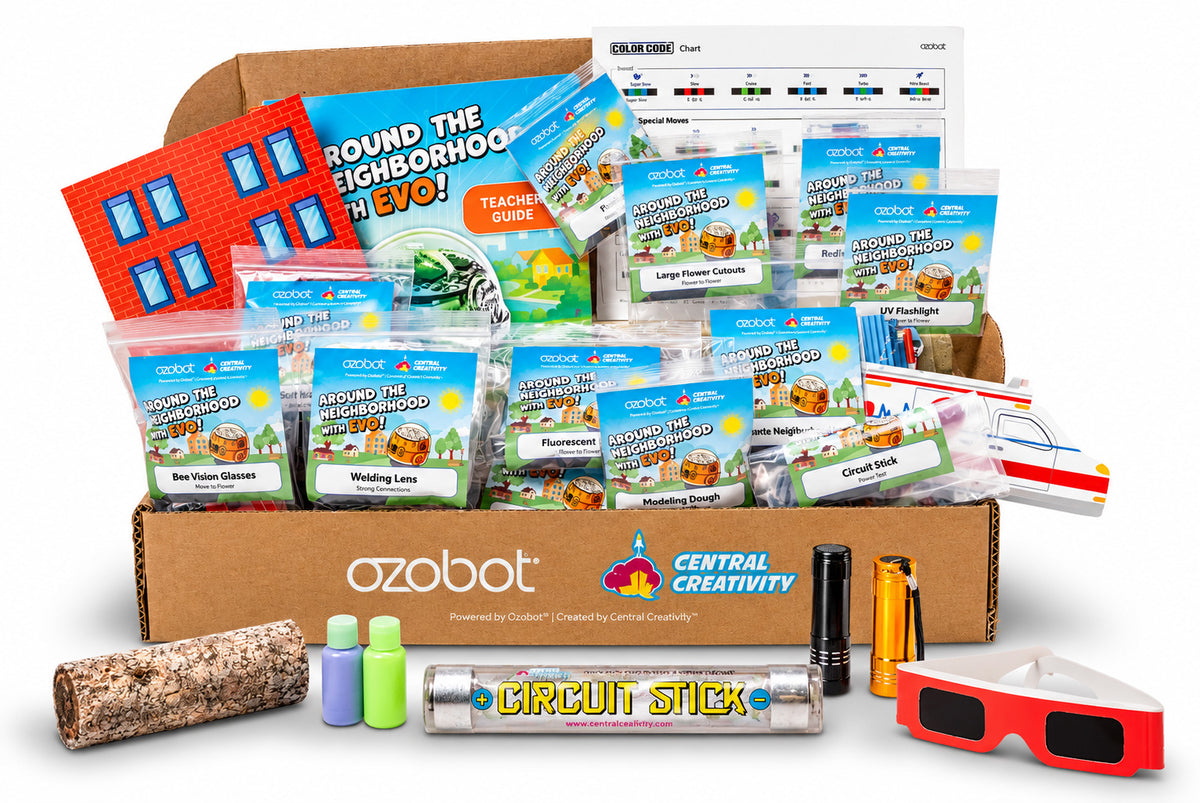
Ozobot, NAPA Auto Parts, Reading Horizons and a widening group of universities and agencies co-design programs that neither side could have run alone.
Today
A national footprint, still run from Mississippi
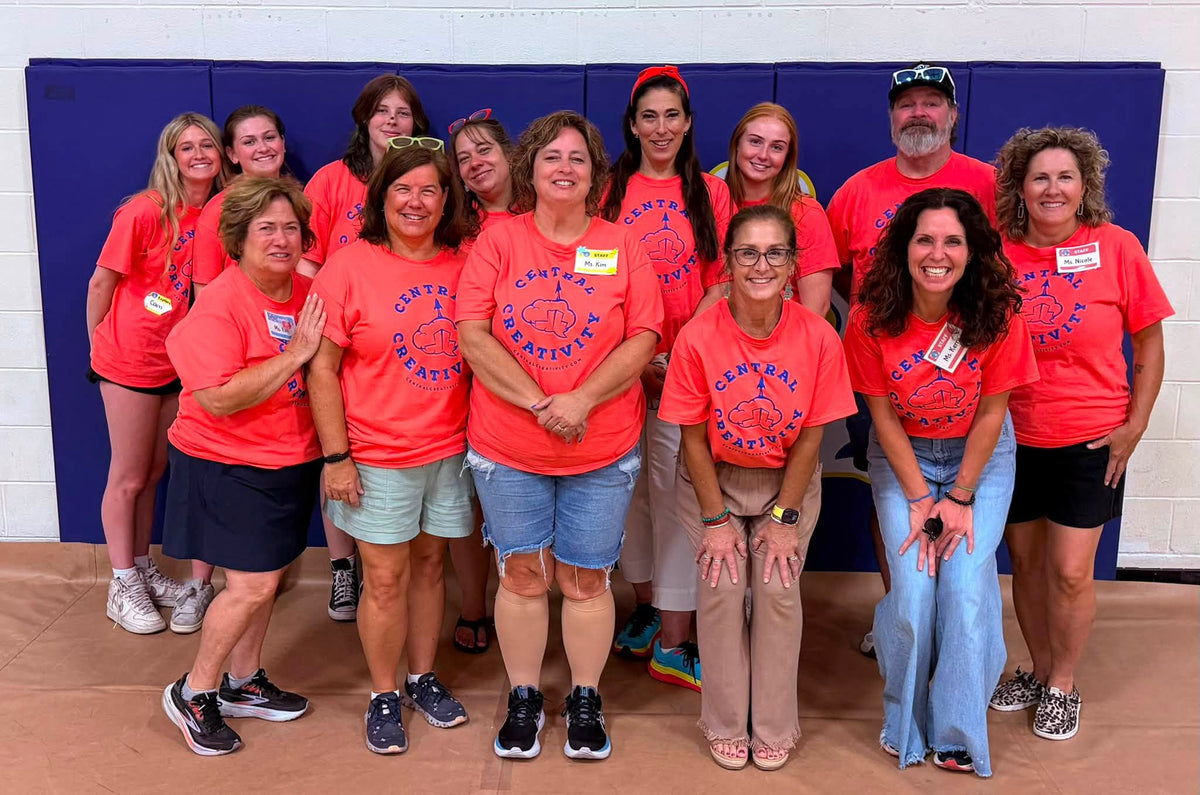
Teams in Louisville and Houston, partners across the country and overseas, and the same question underneath all of it.
What we believe
Five things we have not changed our minds about.
The greatest challenge to student success is a lack of quality resources, not ability.
Teachers should spend their time teaching, not prepping.
Communities are only as vibrant as the learning opportunities within them.
Our jobs as educators aren’t finished until students have great jobs of their own.
Workforce is a language and should be spoken from the earliest age possible.
The why underneath it
None of this is a guess.
Every kit, camp and curriculum we build sits on a body of research about how children actually learn: that understanding is constructed by doing rather than received by listening, and that a child who has built the thing can explain the thing.
That is a longer conversation than this page, and we have written it down properly.
Who we build it with
Nothing lasting gets built alone.
A federal space agency and a two-room private school ask us for the same thing: get this in front of our kids, and make it work. The outreach we do together is where meaningful and lasting change actually comes from, and the size of the partner has never been what decides the size of the outcome.



We measure it in outcomes, not units shipped.
A box that arrives and sits in a cupboard has done nothing for anybody. So the questions we ask after a program are about what changed: whether the teacher ran it again without us, whether the students could explain what they built, whether the district kept it in the budget the following year.
Their future is our greatest investment. That is not a slogan we printed on something; it is the standard we judge our own work against.
