
Camp TO GO
NASA ASTRO CAMP TO GO
Choose your grade band below. K-2 Explorers, 3-5 Innovators or 6-12 Trailblazers — that choice is the guide and materials we ship.
NASA ASTRO CAMP TO GO
The Big Idea
Five missions. Countless memories. Every activity is carefully crafted by expert educators, so campers discover the wonders of space without leaving the planet.
- Grades
- Select your camper's grade when you order.The missions stay the same, but the challenges grow with your camper. Explorers (K-2), Innovators (3-5), and Trailblazers (6-12) each get their own age-appropriate activities and guide.
- What's Inside
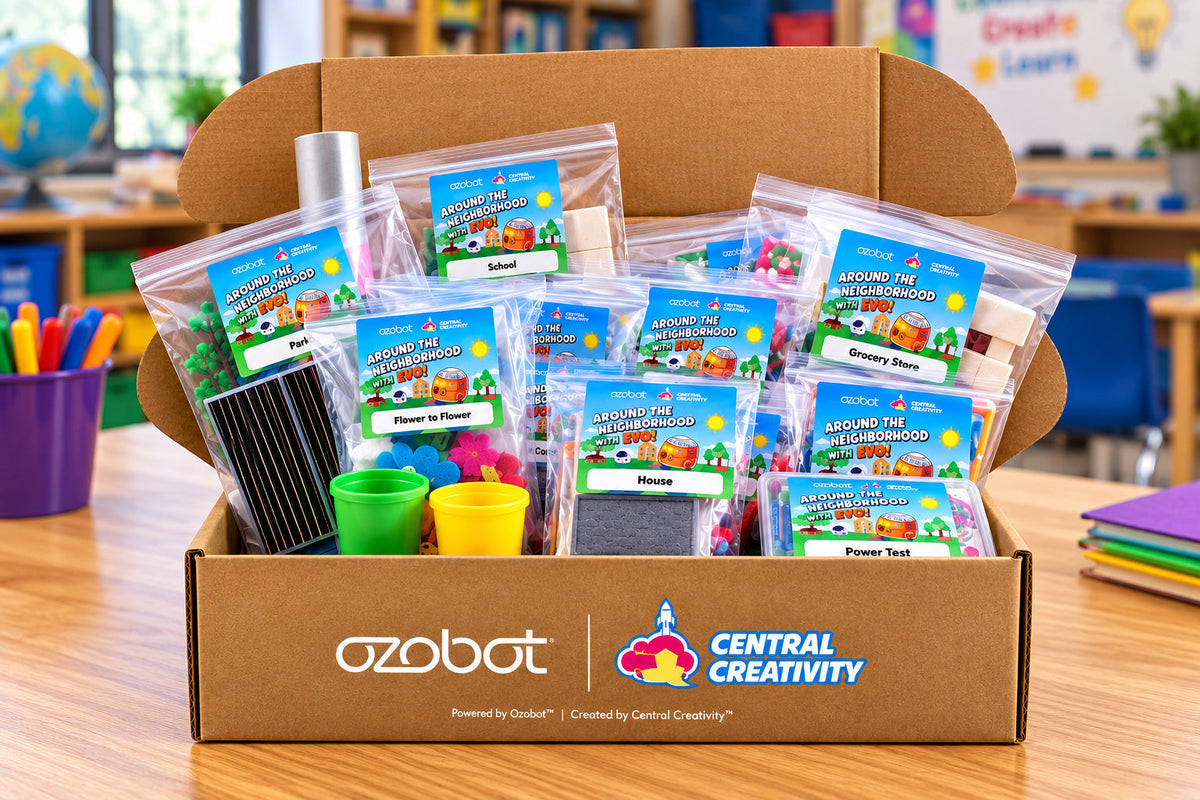
- 20+ hands-on activities with every material except water, labeled and ready to use. Plus a full-color printed Camp Guide and access to the online digital guide with instructional videos for every activity. No prep required.
Safety
- CHOKING HAZARD. Small parts. Not for children under 3 years.
- Do not eat any of the materials in this kit, and wash hands afterward.
- Always wear safety goggles when mixing materials.
- Adult supervision is recommended.

Want the LIVE experience? Join the NASA ASTRO CAMP TO GO Club. Nine weeks. One hour a week. A LIVE teacher, subject matter experts, and a crew of other curious learners, with the kit included.
What’s in the Kit
- Student mission guide covering all five missions, in your chosen grade band
- Materials for all activities, individually labeled and packaged
- NASA ASTRO CAMP certificate of achievement
What you add
- Water
- Curiosity
Real-world connection
Real NASA Missions. Real STEM Careers.
Every activity is inspired by real NASA missions and research. Campers design habitats for life beyond Earth, build a water recycler modeled on the system aboard the International Space Station, and build a helicopter inspired by Ingenuity, the first aircraft to fly on Mars.
Every lesson also includes a Career Connection, so the camper who loves the magnetic launch rail discovers the engineers who design maglev systems for a living.

The missions
-
Arrive and Investigate
The crew lands somewhere nobody has mapped and surveys it before touching anything. Terrain, weather, resources, and a planet profile they fill in themselves.
-
Establish a Base
Shelter, power and clean water, none of which exist yet. An inflatable habitat, a wired power grid, a sprout station and a water recycler.
-
Sustain and Grow
Keeping people alive once the base stands. Oxygen generation, chemical seaweed, circuit sculpture and light.
-
Explore the Unknown
Going further out. A wind-powered car, crystal growth, thermochromic slime and a helicopter that actually flies.
-
Discover the Next Horizon
Launch, and what comes after it. A magnetic launch rail, rocket fuel chemistry, a hydraulic gripper and an orbit tracer.
What happens in each mission
| Mission | All grades | Explorers (K-2) only | Innovators (3-5) and Trailblazers (6-12) only |
|---|---|---|---|
| 1. Arrive and Investigate | Planetary Survey, Environmental Recon, Vortex Dome, Mission Patch Flag | Planets Game | Transmission to Earth |
| 2. Establish a Base | Power Grid Trial, Sprout Station, Water Recycler | Bubble Base | Habitat Challenge |
| 3. Sustain and Grow | Chemical Seaweed, LED Planet, Oxygen Generator | Circuit Sculpture | Shake Light |
| 4. Explore the Unknown | Thermochromic Slime, Rubberband Helicopter | Wind Car, Crystal Trees | Smart Bot, Tin Dendrites |
| 5. Discover the Next Horizon | Magnetic Launch Rail, Fuel Factor, Hydraulic Gripper, Orbit Tracer |

Bring NASA ASTRO CAMP TO GO to Your Group
Same program. Same kit. Any schedule. Any setting.
Run it as a summer camp, an after-school club, or classroom enrichment. No teacher prep or science background needed.
Buying for a Group?
Volume discounts are available, and we are an approved vendor on several cooperative purchasing contracts.
Want to Host NASA ASTRO CAMP TO GO at Your Site?
We provide a full day of training, marketing, registration, a facilitator stipend, and more. Contact us to learn how.